

The conductors and their music
How can a manufacturer become a full-range provider and still keep its eye on the ball? At Audio Note (UK), the magic formula comes down to a mix of craftsmanship, intuition and engineering.
At the beginning of the 1990’s, Hiroyasu Kondo and Peter Qvortup jointly committed themselves to accomplishing one goal; enhancing the world with products made by Audio Note. Roughly 10 years later, the economic crisis also swept through the high-end audio business, sending the two diametrically different characters on their separate ways. The manufacturer in Japan and the global distributor in England disagreed about how they should meet the new challenges they faced. Qvortup remained firmly committed to further expanding the Audio Note brand, which held the rights to the name outside Japan.

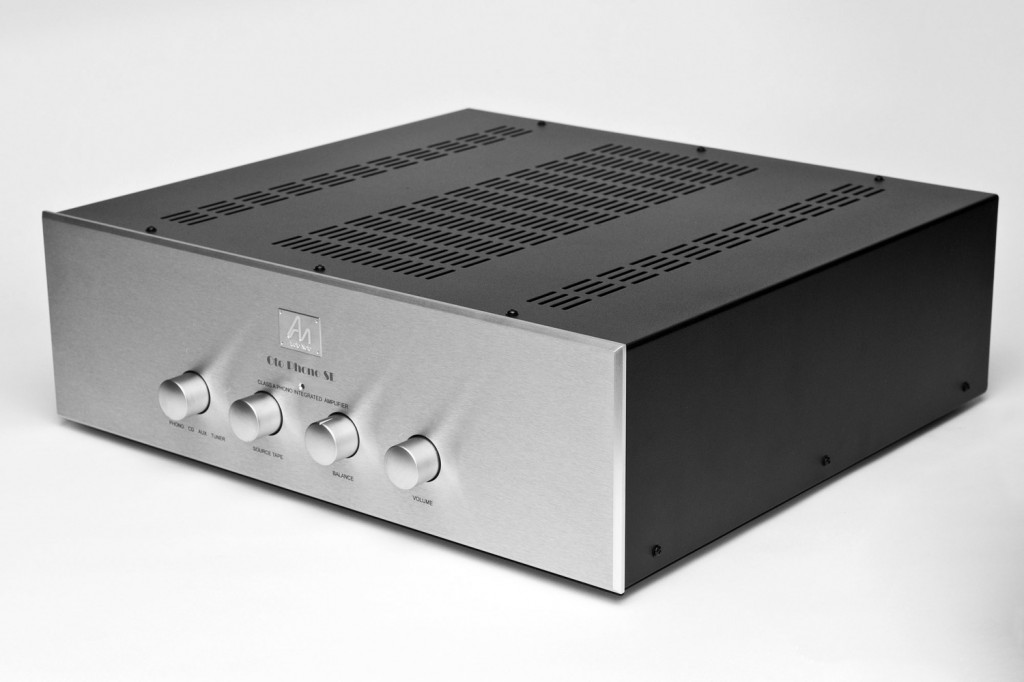
In 1991, the newly established Audio Note Co. Ltd. presented its first innovations to the world: the valve amplifiers OTO Phono PP and OTO Phono SE, the first professional creations of a young audio designer named Andy Groove, a man whose ideas would turn many heads in years to come. The OTO amp is still in the company’s line. Its modular design, which bears close resemblance to the process used today to make cars enables all sorts of variations to be created, is now used in each of the company’s product lines.
Back in 1991, the company’s head, Peter Qvortrup, was already an old hand at manufacturing, having already spent several years producing valve amplifiers. He established Audio Innovations in 1984, and developed and produced equipment for other companies until the brand was sold in 1990. He was virtually elevated to knighthood when he became responsible for a portion of the production of the revered Kondo-san as part of a global sales agreement for Audio Note products.
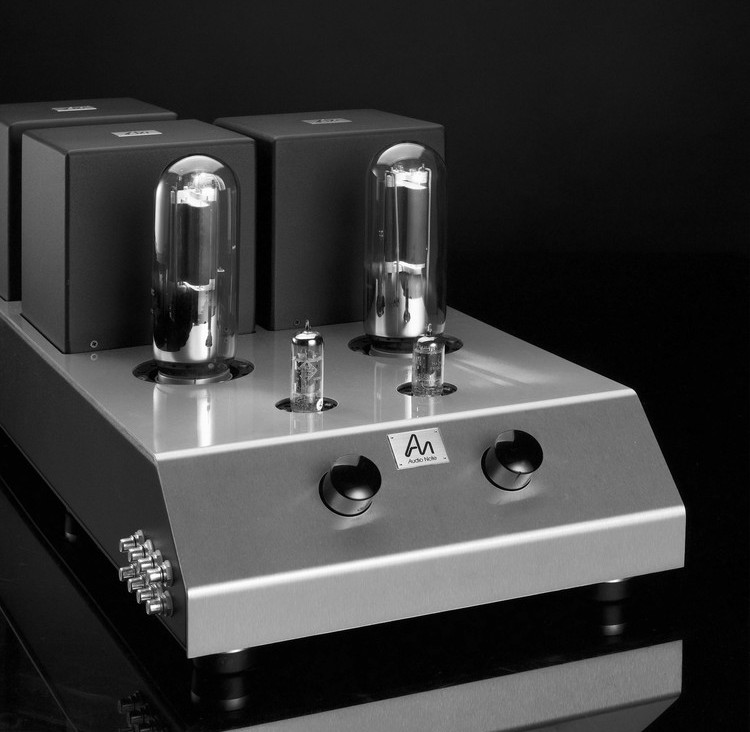
Ever since, the dynamic and fearless Qvortup has enhanced the product lines of Audio Note. In a matter of a few years, the speciality manufacturer of valve amplifiers, output transformers and other sound-shaping components evolved into a full-range provider. Like links of a chain, Audio Note can offer every individual component of a hi-fi system; analog and digital components, valve amplifiers and speakers, plus every imaginable type of quality cable. The use of valves and output transformers are considered to be the heart and soul of sound reproduction.
The company’s own “Audio Note Performance Level System” helps customers find their way in this dense forest of audio products: Components with higher numbers offer higher performance. In addition, the selection process for suitable additional equipment has been simplified. Originally, the system consisted of Level One to Level Five. Thanks to continuous research and new types of components, the system has been expanded. As far as prices go: For the absolute top-performance products you could also get a luxury limousine. In return, the most exclusive components and extremely deep know-how are delivered.
Performance is what counts for this British company, not looks.The equipment may be robustly built and unspectacular looking. But it is almost always outfitted with custom-made components in the very places where excellent sound comes to life. This is something that can be taken quite literally. Audio Note has its own lab and complete range of measuring equipment and machinery. As a result, it can produce and type of coil, transformer or output transformer by itself. Pure silver is the material of audio choice. It is used almost to excess in the company’s top-level products. Another speciality is components that are custom made by suppliers carefully selected by Audio Note. Though the years, Audio Note and its suppliers have worked closely together to refine these components during elaborate sound-measurement tests and countless listening sessions. The work goes on until the refinements finally meet the high standards of Peter Qvortup and head developer Andy Grove, whom the industry considers to be nothing short of a valve and transformer genius.
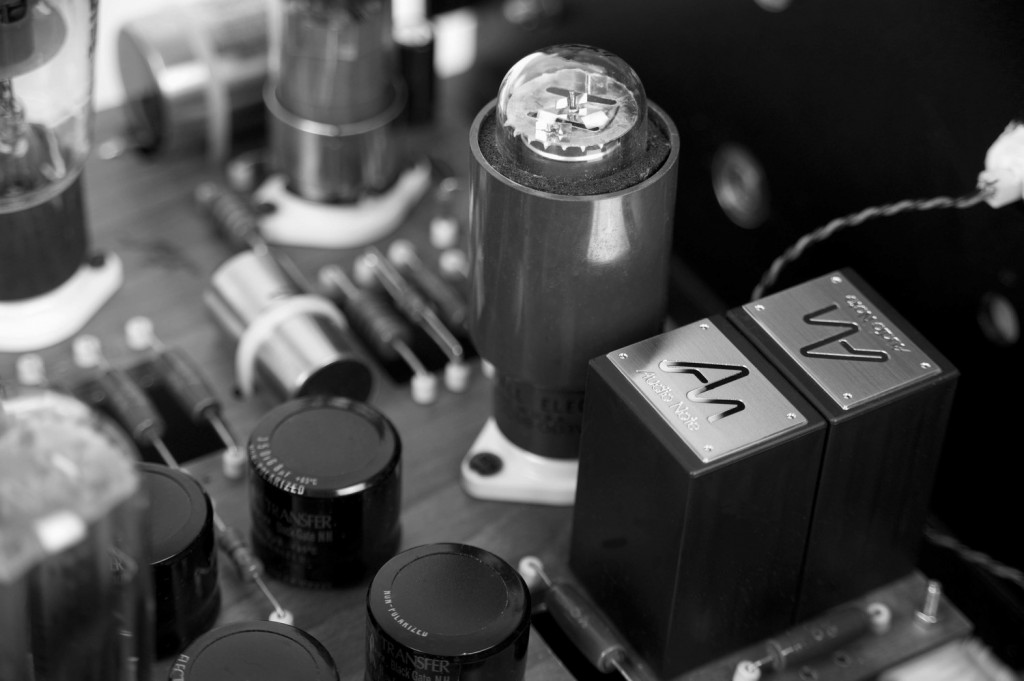
Such innovations not only consume tremendous amounts of time, but also require extensive investments. Nonetheless, the company based in southern England is determined to optimise proven audio circuitry and technology with its own distinctively improved components. The latest fruits of these labours are special silver tantalum resistors and new electrolytic capacitor series called Kaisei. Grove and Qvortup developed them with the help of Rubycon. The capacitors are produced exclusively for Audio Note by a highly respected Japanese specialist and are considered to be a solid successor to the highly desired and sold-out black gate capacitors, which are even running out in Audio Note’s huge warehouse of parts.
The company’s most exciting work includes a surprisingly low-priced integrated amplifier and special digital-analog converter, which, with a so-called R2R ladder, is based on a principle that is age-old, but that has hardly practicable up to now. In terms of sound, however, the DAC prototype holds so much promise that Audio Note has gone to the trouble of developing its own machinery and measurement series for it. But it will take some time until the R2R Ladder DAC is ready for series production.
But this is far from everything that Audio Note has been up to. At the beginning of 2015, Audio Note (UK) Ltd, moved into an approximately 1,100 square meter building. In doing so, the company brought all of the small research and production operations that had been scattered around Brighton region under one roof. The building in neighbouring Partridge Green has about four times more room, providing plenty of space for all specialities, the labs, the coil-winding unit, the warehouse and production operations. Not to mention the unbelievably huge vinyl and valve collection assembled by the boss himself over the years. Just one thing is not done in the new building; the final check and approval of every new Audio Note development. For this purpose, the AN team still gather in Qvortup’s listening room. This is and will remain the final authority, where the chain-link principle of carefully coordinated components is put into everyday practice, particularly for an astonishing low budget.

Audio Note (UK) employs about 24 people in England and nearly 40 around the world, including two family members; Qvortup’s wife, Lesley Fennell, has handled the administrative work and been part of the management process from the very start. Their daughter Emily has made her father proud by being his designed successor. The senior boss is also proud of the decades-long working relationship he has maintained with passionate distributors, including Alexander Voigt Audiosystem in Germany. After all, these are the people who make sure that the music does most of the talking during demonstrations, and not the sales representatives. And this is the secret of Audio Note; the easy access it provides to music.
Article in Who is Who in High Fidelity.